Cool 01 Lettuce
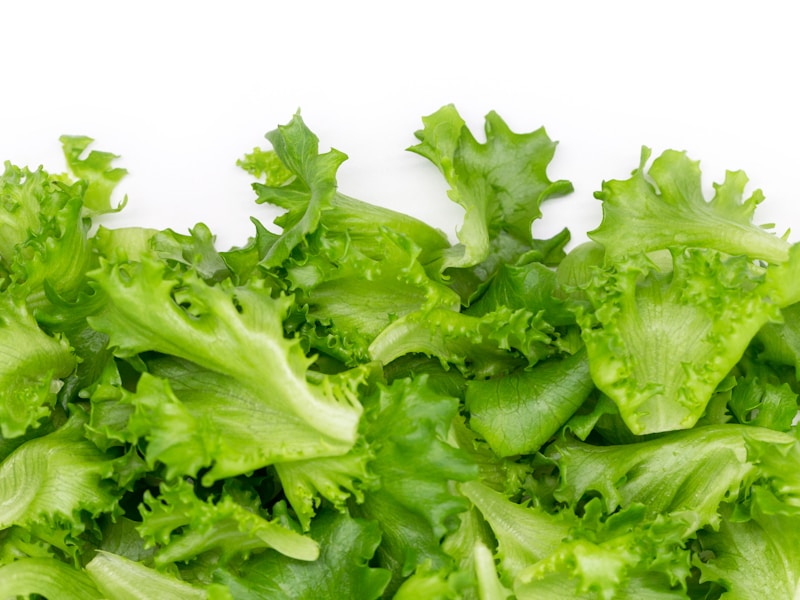
Type: Annual
Family: Asteraceae (Compositae)
Sun: Full sun to part shade (prefers afternoon shade in warm weather)
Water: Moderate to high (consistent moisture critical)
Soil pH: 6.0-7.0
Hardiness: Zones 2-11 (grown as cool season annual)
📅 Planting Calendar (Zone 6b/7a)
| Method | Timing | Notes |
|---|---|---|
| Start indoors | February 1 - March 15 | 6-8 weeks before last frost (April 15-25). Sow 1/4" deep at 60-70°F. Germination in 2-10 days. |
| Direct sow | March 15 - April 30; August 1-31 | Soil temp 40-75°F. Sow 1/4" deep, thin to 6-12" apart. Spring and fall crops. |
| Transplant | March 20 - April 25; August 15 - September 15 | Harden off 7-10 days. Space 8-14" apart depending on type. Tolerates light frost. |
| Days to maturity | 30-70 days | Leaf types: 30-45 days. Head types: 55-70 days. Romaine: 50-65 days. |
| Succession plant | Every 2-3 weeks | For continuous harvest spring through fall. Stop during peak summer heat. |
🌱 Expected Yield
- Per plant: Leaf lettuce: 4-8 oz per harvest (cut-and-come-again). Head lettuce: 8-16 oz per head.
- Per 10' row: Leaf lettuce: 4-6 lbs. Head lettuce: 8-12 heads (6-10 lbs).
- Per season: With succession planting (spring + fall): 15-25 lbs per 10' row.
🌿 Growing Conditions
- Soil: Well-drained, fertile loam with high organic matter. Lettuce has shallow roots (6-8"), so top 4" should be rich and moisture-retentive. Amend with 2-3" compost before planting.
- Fertilizer: Moderate feeder. Side-dress with compost or composted manure or compost tea every 3-4 weeks. Avoid excessive nitrogen (causes bitter taste).
- Companions: Excellent with carrots, radishes, strawberries, cucumbers, beans, beets, cabbage. Lettuce provides ground cover, suppressing weeds and keeping soil cool.
- Avoid: Plant away from celery (shared pests) and parsley (can inhibit growth).
- Pests: Aphids (spray with water or insecticidal soap), flea beetles (row covers), cutworms (collars around seedlings), slugs/snails (beer traps, diatomaceous earth, hand-picking at dusk).
- Diseases: Downy mildew (improve airflow, avoid overhead watering), bottom rot (raised beds, proper spacing), tipburn (calcium deficiency from uneven watering), mosaic virus (remove infected plants, control aphids). Prevent bolting with consistent moisture and shade cloth during heat waves.
🏺 Heirloom Varieties (5-10+)
'Black Seeded Simpson'
- Source: Baker Creek Heirloom Seeds (rareseeds.com), Johnny's Selected Seeds (johnnyseeds.com)
- Days: 45 days
- Notes: Classic American heirloom from 1850s. Light green leaves with brown seeds (hence name). Heat tolerant, slow to bolt. Sweet, tender flavor. Reliable producer for spring and fall.
'Red Sails'
- Source: Baker Creek, Seed Savers Exchange (seedsavers.org)
- Days: 48 days
- Notes: All-America Selections winner (1985). Deep red ruffled leaves, green undersides. Beautiful in mixed greens. Heat tolerant, doesn't bolt quickly. Mild, slightly nutty flavor.
'Lollo Rosso'
- Source: Baker Creek, Bakers Creek, Southern Exposure Seed Exchange (southernexposure.com)
- Days: 45 days
- Notes: Italian heirloom with intensely frilly, red-edged leaves Ornamental and edible. Heat tolerant for a red lettuce. Beautiful in bouquets and salads. Mild flavor with decorative appeal.
'Rouge d'Hiver' (Winter Red)
- Source: Seed Savers Exchange, Baker Creek
- Days: 55 days
- Notes: French heirloom romaine from 1800s. Cold hardy—can overwinter with protection. Red leaves in cold weather, green in warmth. Sweet, crisp texture. Excellent for winter growing in hoophouses.
'Buttercrunch'
- Source: Johnny's Selected Seeds, Burpee (burpee.com)
- Days: 65 days
- Notes: Bibb-type with buttery texture. Heat tolerant, slow to bolt. Small, loose heads. Rich, sweet flavor. All-America Selections winner (1963). Perfect for containers.
'Merveille des Quatre Saisons' (Marvel of Four Seasons)
- Source: Seed Savers Exchange, Baker Creek
- Days: 50 days
- Notes: French heirloom from 1890s. Oakleaf shape with red-tipped leaves. Grows year-round in mild climates (hence name). Tender, sweet, nutty flavor. Beautiful loose-leaf type.
'Forellenschluss' (Speckled Trout Back)
- Source: Seed Savers Exchange, Baker Creek
- Days: 52 days
- Notes: Austrian heirloom romaine. Red speckles resembling trout back. Cold hardy, heat tolerant. Crisp, crunchy texture. Sweet, nutty flavor. Forms tall, elegant heads.
'Parris Island Cos'
- Source: Johnny's Selected Seeds, Southern Exposure
- Days: 68 days
- Notes: Classic romaine. Dark green, spoon-shaped leaves. Heat tolerant, slow to bolt. Crisp, juicy texture. Standard for Caesar salad. Reliable producer.
'Salad Bowl'
- Source: Baker Creek, Johnny's Seeds
- Days: 45 days
- Notes: Oakleaf type, green and red varieties. Cut-and-come-again champion. Doesn't form head, keeps producing. Heat tolerant, slow to bolt. Mild, sweet flavor.
'Jericho'
- Source: Johnny's Selected Seeds, High Mowing Organic Seeds (highmowingseeds.com)
- Days: 55 days
- Notes: Modern romaine, extremely heat tolerant. Green leaves, slow to bolt. Crisp, crunchy texture. Widely used by market growers for summer production. Sweet flavor even in heat.
📜 Cultural History & Domestication
Domesticated: Lettuce was first domesticated in ancient Egypt around 4500 BCE, making it one of the oldest cultivated crops. Wild lettuce (Lactuca serriola) is native to the Mediterranean and Middle East.
Archaeological Evidence: Lettuce seeds have been found in Egyptian tombs dating to 2500 BCE. Tomb paintings depict lettuce growing in sacred gardens. The plant was discovered in the tomb of Pharaoh Djoser at Saqqara.
Historical Record: Ancient Egyptians considered lettuce sacred to Min, god of fertility and vegetation. The milky sap (lactuca = milky in Latin) was associated with reproductive power. Egyptians planted lettuce near tombs as offerings. Greeks and Romans cultivated multiple varieties—Theophrastus (371-287 BCE) described several types in his botanical writings. Romans ate lettuce at the start of meals (hence "salad" from sal, salt). Lettuce arrived in the Americas with Columbus on his second voyage in 1493. By 1629, John Gerarde's herbal described 14 varieties grown in England.
Cultural Significance: In ancient Egypt, lettuce symbolized fertility and was carried in religious processions. Roman emperors demanded lettuce year-round, forcing innovations in protected cultivation. During medieval times, lettuce was valued for medicinal properties—believed to induce sleep and cool the blood. The Latin name Lactuca refers to the milky latex that contains lactucarium, a mild sedative. In traditional Chinese medicine, lettuce was used to treat coughs and insomnia. European immigrants brought lettuce seeds to America, where it became a staple garden crop. Thomas Jefferson recorded 11 varieties of lettuce grown at Monticello. The modern head lettuce industry developed in California in the early 1900s with the invention of vacuum cooling and refrigerated rail cars.
🌾 Seed Saving
- Method: Lettuce is self-pollinating but can cross-pollinate via insects. Allow plants to bolt (flower) by withholding water or as heat increases. Flowers are small, yellow, dandelion-like composite blooms. Seeds mature 10-14 days after flowering, turning from soft to hard with tiny parachutes (pappus). Cut seed heads when 70% have fluffed. Hang upside down in paper bags to dry 2-3 weeks in cool, dry place with good airflow.
- Isolation distance: 150-200 feet between varieties to prevent cross-pollination. Cage individual plants if growing multiple varieties.
- Viability: 3-6 years when stored in cool, dry, dark conditions in airtight containers. Silica gel packets help maintain low humidity.
- Special notes: Lettuce requires vernalization (cold period) to bolt in some climates. For seed saving in short-season areas, overwinter plants or start very early indoors. Harvest seeds in morning when dry. Rub dried seed heads between hands to release seeds. Winnow by pouring between bowls in light breeze to separate seeds from chaff.
📖 Sources Consulted
- Jett, Lewis W. "2026 Garden Calendar." your local Extension Service.
- Ashworth, Suzanne. Seed to Seed: Seed Saving and Growing Techniques for Vegetable Gardeners, 2nd ed. Seed Savers Exchange, 2002.
- Whealy, Amy Kent and Diane Ott Whealy. Garden Seed Inventory: An Inventory of North American Seeds, 6th ed. Seed Savers Exchange, 2004.
- "Lettuce Production Handbook." University of Georgia Cooperative Extension, 2020.
- Baker Creek Heirloom Seeds Catalog. rareseeds.com, 2025.
- Johnny's Selected Seeds Grower's Library. johnnyseeds.com, 2025.
- "Growing Lettuce in the Home Garden." Ohio State University Extension, HYG-1610-10.
🌾 Natural Soil Amendments (Loop Farmstead Standard)
Only on-farm, regenerative inputs:
- Compost: 1-2 inches annually (on-farm production)
- Cover crops: Rye + vetch (fall), buckwheat (summer), daikon (compaction)
- Wood chips: Pathways only (aged 2+ years for beds)
- Fall leaves: Mulch or compost browns
- Blood/bone meal: From farm-slaughtered animals
- Biochar: Charged with compost tea (permanent carbon)
- Wood ash: Light application from wood stove
- Eggshells: Crushed/powdered (slow calcium)
❌ Never used: Synthetic fertilizers, mined minerals, gypsum, peat moss
See: natural_soil_amendments_standard.md for complete guide
Added to WV Planting Guide 26155 — The Loop Farmstead